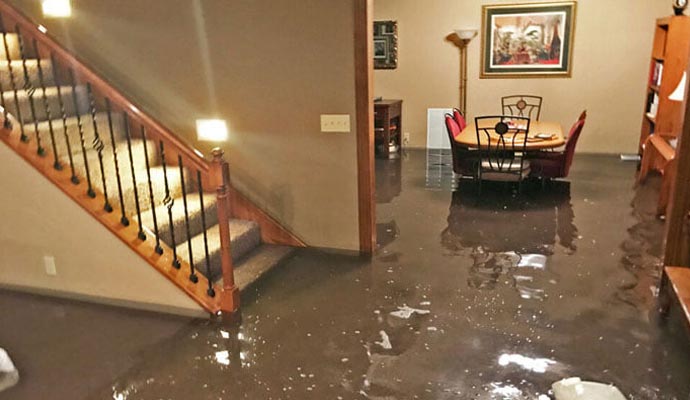
Understanding Flood Damage in Northern Virginia
Northern Virginia faces flood risks that many residents don't anticipate until water is rising in their homes. From flash floods during summer thunderstorms to widespread flooding during tropical systems, from creek and stream overflow to storm drain backups, flood events can devastate homes in minutes and leave lasting damage that takes months to repair.
Unlike contained water damage from burst pipes or appliance failures, flood damage presents unique challenges. Flood waters are almost always contaminated—classified as Category 3 "black water" under IICRC standards—carrying bacteria, chemicals, sewage, and debris from streets, yards, and storm systems. This contamination makes flood damage more hazardous and more complex to remediate than typical water damage.
Galaxy Restoration specializes in comprehensive flood damage repair throughout Northern Virginia. Our IICRC-certified technicians understand the specific challenges of flood restoration, from initial emergency response through complete reconstruction. We've restored hundreds of flood-damaged properties across Fairfax, Arlington, Alexandria, and Loudoun counties, and we know exactly what it takes to return your home to safe, pre-flood condition.
Northern Virginia Flood Zones and Risks
Understanding Northern Virginia's flood patterns helps homeowners prepare and respond effectively when flood events occur:
FEMA Designated Flood Zones
Areas along the Potomac River, Four Mile Run, Holmes Run, Cameron Run, and dozens of smaller waterways fall within FEMA-designated flood zones. However, flooding increasingly occurs outside these zones due to development, changing weather patterns, and aging infrastructure.
Flash Flood Prone Areas
Northern Virginia's terrain and development create flash flood risks throughout the region. Low-lying areas, properties near streams, and neighborhoods with limited drainage capacity can experience sudden flooding during heavy rain events. Flash floods often catch residents off-guard because they occur so rapidly.
Storm Drain and Sewer Overflow
During intense rainfall, aging storm drain systems can't handle the volume, leading to street flooding that enters homes through basement windows, doors, and foundation penetrations. Combined sewer systems in older areas may overflow, bringing sewage contamination into homes.
Poor Drainage and Grading Issues
Many Northern Virginia homes experience flooding not from rivers or streams, but from simple drainage problems. Properties with negative grading (ground sloping toward the foundation), inadequate gutters and downspouts, or failed French drain systems may flood during any significant rain event.
Development Impact
As Northern Virginia continues developing, impervious surfaces (roads, parking lots, rooftops) increase runoff volume. Properties that never flooded before may experience flooding as surrounding areas develop and alter water flow patterns.
Our Complete Flood Damage Repair Process
Galaxy Restoration approaches flood damage repair as a comprehensive project requiring multiple specialized phases. Our complete process ensures nothing is overlooked:
Phase 1: Emergency Response & Assessment
We respond 24/7 to flood emergencies, arriving with equipment ready for immediate deployment. Our initial assessment determines flood water category, affected areas, contamination extent, and structural concerns. We document everything thoroughly for insurance purposes.
Phase 2: Water Extraction
Using truck-mounted extraction systems and submersible pumps, we remove standing flood water as quickly as possible. For significant flooding, this may require continuous pumping operations. Our goal is reducing water levels fast enough to minimize additional damage.
Phase 3: Contaminated Material Removal
Flood water contamination requires removal of porous materials that cannot be adequately cleaned. This typically includes carpet, pad, lower sections of drywall, insulation, and other materials that absorbed contaminated water. We contain and dispose of these materials according to environmental regulations.
Phase 4: Cleaning & Sanitization
All remaining surfaces receive thorough cleaning with EPA-registered antimicrobial products. We address both visible contamination and residual bacteria, ensuring your home meets safe re-occupancy standards.
Phase 5: Structural Drying
Industrial air movers and dehumidifiers dry the remaining structure completely. This phase typically requires 3-7 days depending on extent and construction type. We monitor moisture levels daily and adjust equipment placement for optimal drying.
Phase 6: Mold Prevention
Flood conditions create ideal mold growth environments. We apply antimicrobial treatments to prevent mold development during drying and address any mold that begins growing before we can complete drying.
Phase 7: Reconstruction
Once drying is complete and verified, we begin reconstruction. This includes replacing drywall, installing new flooring, repainting, and restoring your home to pre-flood condition. Our in-house construction team handles everything—you don't need to coordinate multiple contractors.
Flood Damage Categories and Treatment Requirements
The IICRC classifies water damage into three categories, and flood water almost always falls into the most serious classification:
Category 1: Clean Water
Originates from sanitary sources like broken water supply lines. When flooding occurs from clean water sources (rare), standard extraction and drying procedures apply. Materials can often be saved.
Category 2: Gray Water
Contains significant contamination but not sewage. Sources include washing machine overflow, dishwasher discharge, and aquarium leaks. Requires more aggressive cleaning and some material removal.
Category 3: Black Water
Contains sewage, pathogenic agents, or other grossly unsanitary matter. All flood water from natural flooding events, storm drain overflow, and sewer backups is Category 3 by definition. This category requires extensive protective equipment, thorough contamination removal, and specific sanitization protocols.
Why Category Matters
Category classification determines safety requirements, cleaning protocols, material salvageability, and overall restoration approach. Treating Category 3 flood damage as Category 1 puts occupants at serious health risk. Galaxy Restoration always assesses category accurately and implements appropriate protocols—we never cut corners on safety.
Category Progression
Water damage categories progress over time. Category 1 water left untreated becomes Category 2 within 48 hours as bacteria multiply. Category 2 progresses to Category 3 with additional time. This progression is why rapid response matters so much—the faster we respond, the less severe the contamination and the more materials we can potentially save.
Insurance Claims for Flood Damage
Navigating insurance coverage for flood damage can be confusing. Understanding your coverage before disaster strikes—and knowing how to maximize your claim after—helps ensure your home gets properly restored:
Flood Insurance vs. Homeowners Insurance
Standard homeowners insurance policies do NOT cover flood damage from natural flooding events. If rising water enters your home from outside (river overflow, storm surge, flash flooding, storm drain backup), you need separate flood insurance through FEMA's National Flood Insurance Program or private carriers.
What Homeowners Insurance Does Cover
Your standard policy typically covers sudden, accidental water damage from internal sources: burst pipes, appliance failures, accidental overflow. Some policies cover surface water damage in limited circumstances. Check your policy carefully—coverage varies significantly.
Sewer Backup Coverage
Sewer backup coverage is usually an add-on endorsement to standard policies. This covers damage when sewage backs up through your drains—a common occurrence during floods. If you have this coverage, it may apply even when flood insurance doesn't.
Maximizing Your Claim
Document everything before cleanup begins. Take extensive photos and video. Keep damaged materials until the adjuster inspects. Save receipts for emergency services and temporary repairs. Work with restoration professionals who understand insurance documentation requirements.
Galaxy Restoration Works With All Insurance Companies
We've handled claims with every major insurance company and understand their documentation requirements. We provide detailed, itemized estimates that insurance adjusters need. Many times we can bill insurance directly, reducing your out-of-pocket costs during an already stressful time.
Flood Damage Repair Service Areas
Galaxy Restoration provides comprehensive flood damage repair services throughout Northern Virginia. Our teams respond to flood emergencies 24/7 and handle complete restoration from extraction through reconstruction:
Fairfax County Flood Repair:
Including Fairfax City, Vienna, McLean, Great Falls, Falls Church, Tysons, Reston, Herndon, Chantilly, Centreville, Burke, Springfield, Annandale, and all communities along Holmes Run, Difficult Run, and Accotink Creek flood zones.
Arlington County Flood Repair:
All Arlington neighborhoods including areas along Four Mile Run, Long Branch, and throughout the county. We understand Arlington's mix of housing types and specific flood vulnerabilities.
Alexandria Flood Repair:
Old Town Alexandria and areas along the Potomac waterfront face particular flood risks. We serve all Alexandria neighborhoods including Del Ray, Carlyle, Eisenhower, Kingstowne, and areas affected by Cameron Run and Holmes Run flooding.
Loudoun County Flood Repair:
Ashburn, Leesburg, Sterling, and all Loudoun communities. As Loudoun continues rapid development, flood patterns are changing—we help homeowners respond when new flooding affects their properties.
24/7 Emergency Response
Floods don't wait for business hours. Our emergency teams respond around the clock, every day of the year. When flood water is rising, call (703) 628-7600 for immediate emergency response.