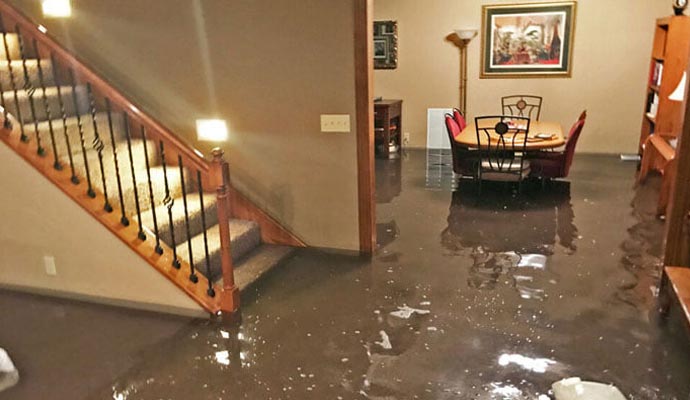
The Destructive Power of Burst Pipes
A single burst pipe can release 400-600 gallons of water per hour into your Northern Virginia home. In the time it takes to notice something is wrong and locate your water shutoff valve, thousands of gallons may have already flooded floors, saturated walls, and begun seeping into structural cavities where it will cause damage for weeks to come.
Burst pipes represent one of the most common—and most preventable—water damage emergencies we respond to throughout Fairfax, Arlington, Alexandria, and Loudoun counties. Yet when they occur, the devastation happens so rapidly that many homeowners feel helpless watching water pour into their homes.
Galaxy Restoration provides complete burst pipe emergency services: rapid response to stop the flooding, professional water extraction to remove what's already there, structural drying to prevent mold, and full reconstruction to restore your home. We also help you understand why the pipe burst and what you can do to prevent future occurrences.
Why Pipes Burst in Northern Virginia
Understanding the common causes of burst pipes helps with both prevention and insurance claims:
Frozen Pipes: The Winter Emergency
Northern Virginia's winters regularly drop below freezing, and frozen pipes are our most common burst pipe call from December through March. Water expands when it freezes, creating tremendous pressure inside pipes. This pressure doesn't necessarily burst the pipe at the frozen point—it can cause failure anywhere in the plumbing system. Pipes most vulnerable to freezing include those in unheated areas (garages, crawl spaces, attics), exterior walls, and areas with poor insulation.
Corroded and Aging Pipes
Older Northern Virginia homes often have galvanized steel, cast iron, or early copper plumbing that corrodes from the inside out over decades. Corrosion weakens pipe walls, eventually leading to pinhole leaks or catastrophic failures. If your home was built before 1980, aging pipes may be reaching end of life.
High Water Pressure
Water pressure above 80 psi stresses plumbing systems, accelerating wear on joints, fittings, and pipe walls. Many Northern Virginia homes receive water at pressures exceeding safe levels. Over time, high pressure causes failures that wouldn't occur with properly regulated pressure.
Water Hammer
Water hammer—the loud banging you hear when faucets shut off quickly—creates shock waves that stress plumbing joints. Repeated water hammer events weaken connections until they fail, often catastrophically.
Tree Root Intrusion
Tree roots seeking moisture can infiltrate sewer and water lines, particularly clay or Orangeburg pipes common in older homes. Root intrusion can crack or crush pipes, causing leaks or breaks.
Poor Installation or Repairs
Improper plumbing work—whether original installation or later repairs—can create weak points that fail under normal use. Incorrect joint connections, inadequate support, and incompatible materials all contribute to eventual failure.
Emergency Response: What Happens When You Call
When a burst pipe floods your home, Galaxy Restoration's emergency response unfolds rapidly:
Immediate Phone Support (0-5 minutes)
When you call our emergency line, our specialists provide immediate guidance while dispatching our nearest team. We'll help you locate and close your main water shutoff valve (often near your water meter or where the main line enters your home), advise on electrical safety, and keep you calm during a stressful situation.
Rapid Arrival (15-60 minutes)
Our emergency teams are strategically positioned throughout Northern Virginia for rapid response. We arrive with truck-mounted extraction equipment ready for immediate deployment. Our technicians begin work the moment they walk through your door.
Water Source Control
If you haven't already shut off the water, we do so immediately. Sometimes pipes continue trickling even after main shutoff if there's water remaining in the system—we ensure all water flow stops before proceeding.
Emergency Extraction
Using commercial-grade extraction equipment, we begin removing standing water immediately. Every minute of extraction reduces damage to your flooring, walls, and belongings. Our truck-mounted systems can remove thousands of gallons per hour.
Damage Assessment & Documentation
While extraction proceeds, we assess the full extent of water intrusion and document conditions for insurance purposes. Thermal imaging reveals hidden moisture in walls and ceilings that isn't visible to the naked eye.
Plumber Coordination
We can coordinate with licensed plumbers to repair the burst pipe itself. Many homeowners appreciate having one point of contact manage both the water damage and the plumbing repair—we coordinate everything so you don't have to.
Complete Burst Pipe Restoration Process
Beyond emergency water removal, burst pipe damage often requires comprehensive restoration:
Structural Drying
After extraction, significant moisture remains in building materials. Industrial air movers and dehumidifiers work for 3-5 days (sometimes longer) to fully dry walls, floors, and structural cavities. We monitor moisture levels daily and don't remove equipment until readings confirm complete drying.
Drywall and Insulation
Water-damaged drywall loses structural integrity and harbors mold growth. Depending on exposure extent, we remove affected sections (typically cutting above the water line plus a safety margin) and replace with new drywall once drying completes. Wet insulation loses effectiveness and must be replaced.
Flooring Restoration
Hardwood floors can sometimes be saved with rapid response and controlled drying—we use specialized techniques to dry wood floors in place when possible. Carpet and pad may be salvageable with Category 1 (clean) water but often require replacement if contaminated or if drying begins too late.
Ceiling Repairs
Burst pipes in upper floors or attics often damage ceilings below. Water-damaged ceiling drywall must be removed for safety (saturated drywall is heavy and can fall) and replaced.
Painting and Finishing
Once reconstruction completes, painting and finishing restore your home's appearance. We match existing finishes so repairs blend seamlessly with undamaged areas.
Mold Prevention
Throughout the process, we apply antimicrobial treatments to prevent mold growth. Proper drying and prevention measures ensure the burst pipe doesn't become a mold problem weeks later.
Preventing Frozen and Burst Pipes
Northern Virginia homeowners can significantly reduce burst pipe risk with these prevention measures:
Insulate Vulnerable Pipes
Pipes in unheated spaces—garages, crawl spaces, attics, exterior walls—should be insulated with foam pipe sleeves. Pay particular attention to pipes near exterior walls and in areas where they're exposed to cold air infiltration.
Maintain Heat During Cold Snaps
Keep your home heated to at least 55°F, even when away. During extreme cold, consider raising thermostats higher. The cost of additional heating is minimal compared to burst pipe damage.
Open Cabinet Doors
In cold weather, open cabinet doors under sinks on exterior walls. This allows warm air to circulate around pipes that might otherwise freeze in enclosed cabinet spaces.
Let Faucets Drip
During severe cold, letting faucets drip slightly keeps water moving through pipes, reducing freezing risk. Even a trickle can prevent freezing in vulnerable lines.
Know Your Shutoff Valve
Locate your main water shutoff valve before an emergency occurs. Most are near the water meter or where the main line enters your home. Practice turning it off so you can act quickly if a pipe bursts.
Install Smart Leak Detectors
Water sensors placed near potential leak sources alert you to problems before they become disasters. Some smart systems can automatically shut off water supply when leaks are detected.
Schedule Regular Plumbing Inspections
Professional plumbers can identify aging pipes, corroded fittings, and other risks before they cause failures. Annual inspections are especially valuable for older homes.
Burst Pipe Repair Service Areas
Galaxy Restoration provides 24/7 emergency burst pipe services throughout Northern Virginia. When pipes burst, we respond rapidly regardless of time or weather:
Fairfax County Burst Pipe Services:
Fairfax City, Vienna, McLean, Great Falls, Falls Church, Tysons, Reston, Herndon, Chantilly, Centreville, Burke, Springfield, Annandale, Oakton, and all Fairfax communities. We understand Fairfax County's mix of newer developments and older homes with aging plumbing.
Arlington County Burst Pipe Services:
All Arlington neighborhoods including areas with older rowhouses and condos. Arlington's dense development means burst pipes often affect multiple units—we handle multi-unit emergencies efficiently.
Alexandria Burst Pipe Services:
Old Town Alexandria and surrounding areas including Del Ray, Carlyle, Eisenhower, and Kingstowne. Historic Alexandria properties have unique plumbing challenges we understand well.
Loudoun County Burst Pipe Services:
Ashburn, Leesburg, Sterling, and all Loudoun communities. Even newer Loudoun construction can experience burst pipes, particularly during severe cold snaps.
24/7 Emergency Response
Burst pipes don't respect business hours—in fact, they often occur at the worst possible times. Call (703) 628-7600 any time, day or night, for immediate emergency response. We respond to burst pipe emergencies 365 days a year.