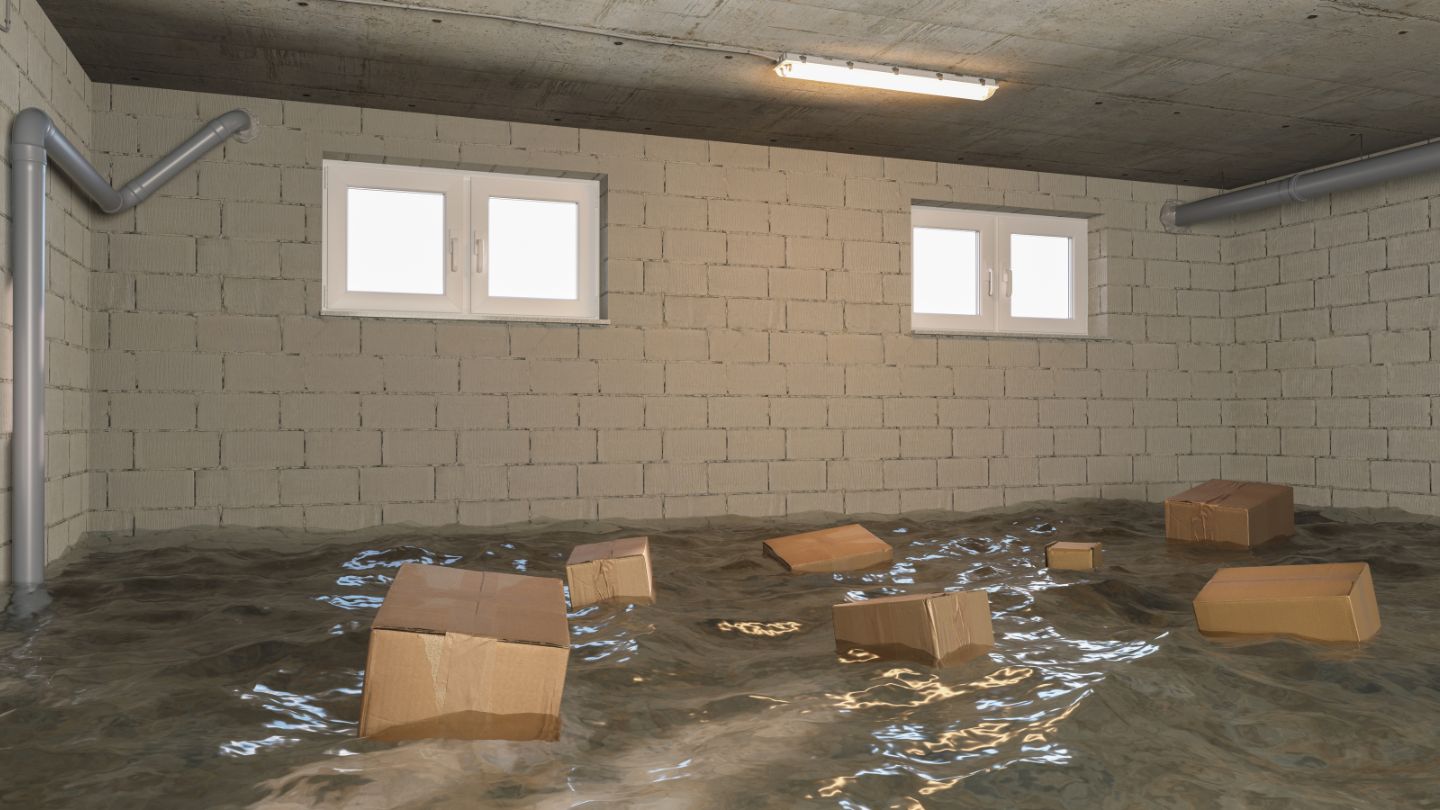
Why Basement Flooding Is So Common in Northern Virginia
Basements in Northern Virginia face a perfect storm of flooding risks. Our region's geology, climate patterns, aging infrastructure, and development density combine to make basement flooding one of the most common—and costly—home emergencies our restoration teams encounter.
Unlike surface-level flooding that quickly drains or evaporates, basement flooding traps water in the lowest point of your home. Without intervention, this water has nowhere to go. It saturates concrete, destroys stored belongings, ruins finished basement improvements, and creates ideal conditions for mold growth within 24-48 hours.
Galaxy Restoration provides comprehensive basement flooding cleanup throughout Northern Virginia. We understand the unique challenges of below-grade water damage and bring specialized equipment designed specifically for basement extraction and drying. When water is rising in your basement, our emergency team responds within 60 minutes to minimize damage and begin the restoration process.
Common Causes of Basement Flooding
Understanding what causes basement flooding helps with both prevention and insurance claims. Northern Virginia basements flood due to several common causes:
Sump Pump Failure
Sump pumps are your basement's first line of defense against groundwater intrusion. When they fail—due to power outages, mechanical breakdown, float switch malfunction, or simply being overwhelmed by water volume—basements flood quickly. Many homeowners discover their sump pump has failed only when standing in ankle-deep water.
Heavy Rain and Poor Drainage
Intense rainfall events overwhelm drainage systems and saturate soil around foundations. If your home's grading directs water toward the foundation rather than away, gutters overflow or downspouts discharge too close to the house, that water finds its way into your basement through cracks, joints, and penetrations.
Foundation Cracks and Deterioration
Northern Virginia's freeze-thaw cycles stress concrete foundations, creating cracks that expand over time. These cracks allow groundwater entry during wet periods. Even hairline cracks can admit significant water during heavy rain or when the water table rises.
Window Well Flooding
Basement window wells collect rainwater, leaves, and debris. Without proper drainage, they become pools that push water through window seals and into your basement. A clogged window well drain can flood a basement in a single storm.
Sewer and Storm Drain Backup
During heavy rain, municipal sewer and storm drain systems can overflow, pushing water back through floor drains and plumbing fixtures. This backflow brings contaminated water into your basement, creating both water damage and health hazards.
Water Heater Failure
Water heaters typically live in basements, and when they fail catastrophically, they release 40-80 gallons of water directly onto your basement floor. Tank corrosion, excessive pressure, and age-related failure all cause sudden water heater floods.
Appliance Failures
Washing machines, utility sinks, basement bathrooms, and HVAC systems with condensate drains can all leak or overflow, causing basement flooding that may go unnoticed until significant damage occurs.
Our Basement Flooding Cleanup Process
Galaxy Restoration follows a proven basement flooding cleanup protocol that addresses the unique challenges of below-grade water damage:
Emergency Response & Safety Assessment
We arrive within 60 minutes of your call, beginning with a safety assessment. Basements present electrical hazards when flooded—water and electricity don't mix. We assess whether power can be safely maintained and identify any structural concerns before beginning work.
Water Extraction
Using submersible pumps for standing water and truck-mounted extraction systems for remaining moisture, we remove water as rapidly as possible. Basements often require more powerful extraction equipment than above-grade flooding because water has nowhere to naturally drain.
Content Assessment & Protection
Basements often store valuable items, documents, and seasonal belongings. We assess what can be saved, relocate salvageable items to dry areas, and document damaged contents for insurance claims. Items requiring specialized cleaning or restoration are identified for appropriate treatment.
Contamination Assessment & Treatment
We determine whether flood water is clean (Category 1), gray (Category 2), or black (Category 3) and implement appropriate safety and cleaning protocols. Sewer backup and storm drain overflow require extensive decontamination procedures and protective equipment.
Structural Drying
Basement drying presents unique challenges. Concrete absorbs water and releases it slowly. Limited air circulation in below-grade spaces slows evaporation. Our drying protocol uses industrial dehumidifiers and air movers specifically positioned for basement conditions, with daily moisture monitoring to ensure complete drying.
Mold Prevention & Remediation
Basements are particularly susceptible to mold growth due to limited light and air circulation. We apply antimicrobial treatments throughout the drying process and address any mold growth that develops before drying completes.
Restoration & Prevention Recommendations
Once drying is verified complete, we can restore your basement to pre-loss condition—including finished basement reconstruction. We also provide recommendations for preventing future flooding: sump pump upgrades, battery backup systems, drainage improvements, and waterproofing options.
Protecting Your Finished Basement
Finished basements represent significant investments—often $20,000 to $100,000 or more in Northern Virginia homes. When these spaces flood, the damage extends beyond simple water removal:
Carpet and Flooring Destruction
Carpet and pad in flooded basements typically cannot be saved, especially with any contamination. Laminate and engineered hardwood swell and warp when wet. Even luxury vinyl can trap water beneath, requiring removal for proper drying.
Drywall and Insulation Damage
Water wicks up drywall via capillary action, often rising 12-24 inches above the water line. Wet drywall loses structural integrity and becomes a mold food source. Insulation within wall cavities saturates and compresses, losing its insulating value and requiring replacement.
Furniture and Entertainment Systems
Upholstered furniture absorbs contaminated water and rarely can be adequately cleaned. Electronics exposed to water usually require replacement. Built-in entertainment centers, bars, and cabinetry may be damaged beyond repair.
Rapid Response Saves More
The key to protecting your finished basement investment is speed. The faster water is extracted and drying begins, the more materials can potentially be saved. A basement flooded for hours often requires more extensive reconstruction than one where water was removed within the first hour or two.
Galaxy Restoration understands finished basement construction and restoration.
We assess every flooded finished basement individually, providing honest assessments of what can be saved versus what requires replacement. Our goal is always to minimize your restoration costs while ensuring complete, safe restoration.
Preventing Future Basement Flooding
After cleaning up basement flooding, many homeowners want to know how to prevent it from happening again. Galaxy Restoration provides prevention recommendations as part of our service:
Sump Pump Systems
If your basement doesn't have a sump pump, consider installing one. If you have one, ensure it's properly sized for your home's water intrusion volume. We recommend sump pumps with battery backup systems—many basement floods occur during power outages when electric pumps can't operate.
Exterior Drainage Improvements
Grading should slope away from your foundation—at least 6 inches of drop over the first 10 feet. Gutters should be clean and properly sized. Downspouts should discharge at least 6 feet from the foundation, ideally into underground drains that carry water away from the house.
Window Well Maintenance
Keep window wells clear of debris. Ensure drains are functional. Consider window well covers to reduce water and debris accumulation.
Foundation Waterproofing
Exterior waterproofing, interior drainage systems, and foundation crack repairs can significantly reduce water intrusion. While these represent significant investments, they protect your basement long-term and can pay for themselves by preventing a single flooding event.
Backflow Prevention
Backflow valves on sewer lines prevent sewage from backing up into your basement during heavy rain. In older homes without these valves, installation provides important protection.
Water Leak Detection
Smart water sensors placed near sump pumps, water heaters, and washing machines can alert you to leaks before they become floods. Some systems can automatically shut off water supply when leaks are detected.
Basement Flooding Cleanup Service Areas
Galaxy Restoration provides 24/7 basement flooding cleanup services throughout Northern Virginia. Our strategically positioned teams ensure rapid response when your basement floods:
Fairfax County Basement Flooding Cleanup:
Fairfax City, Vienna, McLean, Great Falls, Falls Church, Tysons, Reston, Herndon, Chantilly, Centreville, Burke, Springfield, Annandale, Oakton, and all Fairfax County communities. We're familiar with the older housing stock in established neighborhoods and the newer construction in developing areas—each presents different basement flooding challenges.
Arlington County Basement Flooding Cleanup:
All Arlington neighborhoods including the many townhomes and rowhouses with below-grade levels. Arlington's aging infrastructure and high-density development create particular basement flooding risks we understand well.
Alexandria Basement Flooding Cleanup:
Old Town Alexandria's historic properties, Del Ray, Carlyle, Eisenhower Valley, Kingstowne, and all Alexandria areas. Historic Alexandria homes often have basement flooding challenges related to their age and proximity to waterways.
Loudoun County Basement Flooding Cleanup:
Ashburn, Leesburg, Sterling, and all Loudoun communities. Rapid development in Loudoun has changed drainage patterns, causing basement flooding in homes that never experienced it before.
Emergency Response Available 24/7
Basement flooding emergencies don't respect business hours. Call (703) 628-7600 any time—day, night, weekends, or holidays—for immediate basement flooding response.